
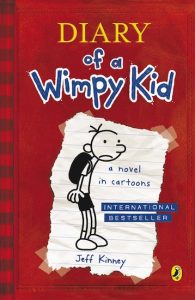
Diary of a Wimpy Kid
Diary of a Wimpy Kid — What It’s About & Why It Feels So Real
This friendly guide explains Jeff Kinney’s Diary of a Wimpy Kid: who Greg Heffley is, why his doodle-filled diary hits home, and how the series can help us name big feelings, laugh at awkward moments, and grow braver one small step at a time.
Quick Overview
Series: Middle-grade illustrated novels blending text and cartoons.
Main character: Greg Heffley — a witty, imperfect kid trying to
survive middle school.
Tone: Humor + honesty about cringe-worthy, everyday challenges.
The Gist (No Major Spoilers)
Each book tracks Greg’s school year misadventures — friendships, popularity schemes, family chaos, and unexpected consequences. Plans go sideways, lessons land softly (or hilariously), and Greg’s voice reminds us that being “in between” is messy and normal.
- Everyday problems, not fantasy quests.
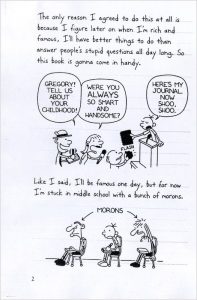
- Short entries + doodles keep things light and fast.
- Humor lowers the pressure so real feelings can show up.
Who’s Who
Greg Heffley
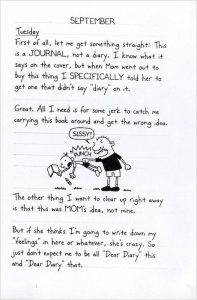
The narrator. Smart, sarcastic, and sometimes self-centered — like most of us when we’re stressed.
HumorGrowthHonestyRowley Jefferson
Greg’s best friend. Kind, earnest, and a mirror for Greg’s choices. Their ups and downs teach repair.
FriendshipPlayfulnessFamily & School
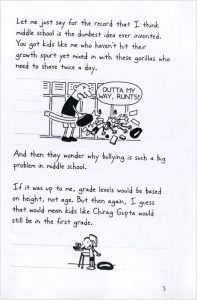
Parents, brothers (Rodrick & Manny), teachers, and classmates create the everyday “obstacle course.”
BoundariesBelongingBig Themes, Bright Colors
Colors below are a visual “mood map” — helpful for memory and emotion labeling.
Trying to Fit In
Color: Cyan — searching, social energy, “do they like me?”
- Greg tests identities to be seen as “cool.”
- Shows how approval-chasing can backfire.
- Gentle lesson: belonging beats popularity.
Friendship Repair
Color: Violet — empathy, perspective-taking, growth.
- Missteps happen; accountability mends trust.
- Apologies + changed behavior = repair.
- Boundaries don’t mean the friendship ends.
Self-Awareness
Color: Pink — warmth, self-compassion, humor at our own expense.
- Laughing kindly at mistakes lowers shame.
- Noticing patterns helps future choices.
- Small honest steps beat big perfect leaps.
Why It Resonates
The series normalizes the awkward middle space between childhood and teen years. It lets readers say: “I’ve felt that too.” Humor makes room for honesty without judgment — a key ingredient in emotional health.
- Short entries = low pressure for new readers.
- Cartoons = visual context for tricky feelings.
- Repetition = safety; we learn through cycles.
Skills the Books Quietly Teach
- Feeling words: Naming emotions shrinks them.
- Perspective-taking: “How might Rowley see this?”
- Repair attempts: Apo
Fun Minigames
⚠️ Please note: All minigames are designed for a fun and safe experience. Inappropriate content is not allowed.
🎮 Step into Greg Heffley’s world! Try out silly challenges, tricky quizzes, and fun doodle adventures—can you survive middle school without chaos? 😜
🌟 Explore Greg Heffley's World!
Click an icon to learn a fun fact!